
 99%+ Purity with 3rd party testing
  10% off first order
  Volume Discounts
  Fast & Free Shipping
  Refund Guarantee
  24/7 Customer Service


DSIP Dosage Guide for Research
Introduction:
Delta Sleep-Inducing Peptide (DSIP) is an experimental neuropeptide studied primarily for its potential roles in sleep regulation, stress modulation, and endocrine balance.¹ Because DSIP is not approved for medical use, there is no standardized clinical dosing. The following dosage ranges are compiled from preclinical studies, animal models, and research community reports.
Disclaimer: DSIP is sold strictly for laboratory research purposes. The following information is provided for educational and scientific context only, not as medical advice.
DSIP Dosage Parameters in Research
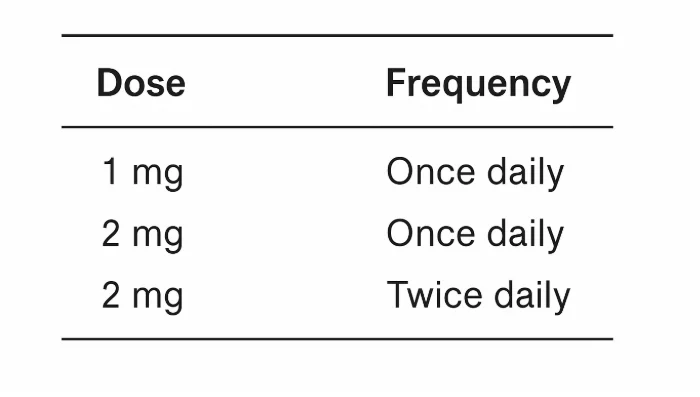
DSIP Dosage Table
| Dosage Level | Range | Frequency | Duration | Notes |
| Low Dose | 50–100 mcg/day | Once daily or every other day | Short-term (≤2 weeks) | Used in early animal sleep studies¹ |
| Medium Dose | 200–300 mcg/day | Once daily | Short to moderate term (2–4 weeks) | Reported in stress-regulation models³ |
| High Dose | 400–600 mcg/day | Once daily or split doses | Short-term (≤2 weeks) | Higher levels sometimes tested in preclinical neuroprotection studies⁴ |
Key Considerations
- Route of administration: Most studies used injections (intraperitoneal or subcutaneous in animals). Nasal spray and oral forms are sometimes discussed in community settings, but absorption data is minimal.²
- Half-life: DSIP degrades rapidly in plasma, which may limit systemic activity.²
- Duration: Most experiments were short-term; long-term data is lacking.
Limitations of DSIP Dosage Research
- Animal data > human data: Most ranges come from preclinical models, not controlled human trials.
- Mixed results: Sleep-inducing effects were not consistently replicated in humans.²
- No consensus: There is no validated therapeutic dose for DSIP.
Summary
DSIP dosage research suggests a range of 50–600 mcg/day, typically administered short-term in animal and exploratory models. While these findings inform the experimental context, the peptide remains unapproved and poorly studied in humans.
Related Article
- What is DSIP
- How Does DSIP Work
- DSIP Benefits
- DSIP Side Effects & Safety
- What is MOTS-C
- What is NAD+
FAQs About DSIP Dosage
What is the typical DSIP dosage in research?
Studies often use 50–300 mcg/day in animals, sometimes higher in stress or neuroprotection models..
How is DSIP administered?
Most research involves injection. Nasal and oral forms are less studied.
Is there a safe DSIP dosage for humans?
No — DSIP has not been clinically validated for human use.
How long is DSIP typically studied for?
Most studies are short-term (1–4 weeks) due to its rapid breakdown and experimental status.
References
- Monnier M, et al. “Delta Sleep-Inducing Peptide: Isolation, Structure, and Biological Effects.” Proc Natl Acad Sci U S A. 1977;74(9):4767–4771. https://www.ncbi.nlm.nih.gov/pmc/articles/PMC431962/
- Kovalzon VM. “Delta sleep-inducing peptide: 30 years of research.” J Sleep Res. 2006;15(4):305–320. https://pubmed.ncbi.nlm.nih.gov/17118190/
- Graf MV, Kastin AJ. “Delta sleep-inducing peptide (DSIP): Current status.” Peptides. 1986;7(2):241–248. https://pubmed.ncbi.nlm.nih.gov/2940287/
- Kovalzon VM, et al. “Sleep-promoting and stress-protective functions of DSIP: unresolved issues.” Front Neurosci. 2017;11:561. https://www.frontiersin.org/articles/10.3389/fnins.2017.00561/full
