
 99%+ Purity with 3rd party testing
  10% off first order
  Volume Discounts
  Fast & Free Shipping
  Refund Guarantee
  24/7 Customer Service


TB-500 Side Effects & Safety
What the Research Says
Introduction:
What are the side effects and safety concerns of TB-500?
TB-500, a synthetic peptide fragment of thymosin β4, is used in research settings for its effects on tissue repair and recovery. While its benefits are well-documented in animal models, its safety and potential side effects—especially in humans—remain less clear.
Disclaimer: TB-500 is for laboratory research use only. It is not approved for human use, and all data discussed here comes from preclinical or investigational studies.
Known & Potential Side Effects
Summary Table: TB-500 Side Effects & Safety Data
| Reported/Potential Effect | Evidence Level | Study Type | Notes |
|---|---|---|---|
| Injection site irritation¹ | Anecdotal | Human (self-report) | Redness, minor pain |
| Headache, fatigue, mild nausea¹ | Anecdotal | Human (self-report) | Uncommon, usually mild |
| Immune modulation²³ | Preclinical | Animal | No major immune suppression noted |
| Organ toxicity⁴⁵ | Preclinical | Animal | Not observed at standard doses |
| Carcinogenicity⁶ | Preclinical | Animal, Cell | No evidence of tumor promotion |
| Allergic reactions | Anecdotal | Human (self-report) | Extremely rare |
| Long-term effects | Unknown | N/A | No long-term human data available |
References for Table
1.User anecdotal reports on peptide forums (no peer-reviewed clinical trials)
2.Goldstein AL et al. Mol Biol Cell. 1992;3(9):1015–1024.
3.Sosne G et al. Ann N Y Acad Sci. 2007;1112:232–240.
4.Bock-Marquette I et al. J Biol Chem. 2010;285(51):39345–39354.
5.Stewart DJ et al. Circ Res. 2012;111(7):940–950.
6.Fan J et al. Front Endocrinol (Lausanne). 2021;12:767785.
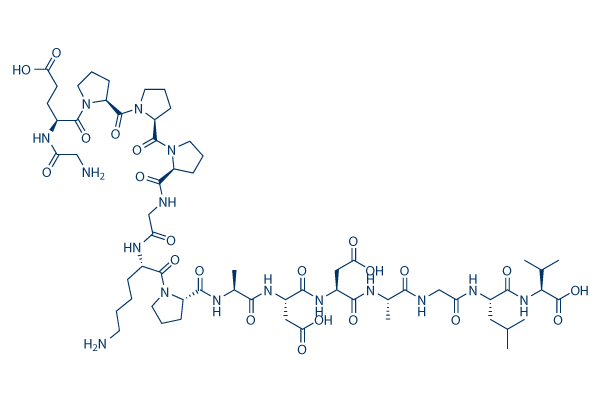
Preclinical Safety & Toxicology
- Animal studies: TB-500 has been tested at a range of doses (2–10 mg/kg daily), with no evidence of organ toxicity, immune suppression, or carcinogenicity at these levels²⁴.
- High-dose testing: Studies using higher-than-research doses still did not reveal acute toxicity or significant adverse effects⁴⁵.
- Immune effects: Most preclinical research finds no major effect on white blood cell counts, antibody response, or overall immune system function²³.
- Tumor risk: No preclinical evidence suggests TB-500 increases cancer risk or accelerates tumor growth⁶.
Human Data: Clinical Trials & Anecdotes
- Clinical trial data: Most human safety data comes from studies of full-length thymosin β4, not TB-500 itself. These studies (for wound and eye healing) reported no significant adverse effects at tested doses³.
- Anecdotal reports: Minor injection site reactions (redness, pain) and occasional headache or nausea are the most commonly reported side effects on peptide forums. These are not validated by clinical research.
- Long-term effects: There are currently no published studies evaluating long-term, high-dose, or chronic use of TB-500 in humans.
Uncertainties, Compliance, & Best Practices?
- For research use only: TB-500 is not FDA-approved for any therapeutic purpose.
- Limitations: Most side effect data comes from animal studies and user anecdotes, not controlled human trials.
- Best research practices:
- Use the lowest effective dose
- Monitor for unexpected reactions
- Record all adverse events, even if mild
- Strictly label all materials as “research use only”
- Use the lowest effective dose
Frequently Asked Questions (FAQs)
What are the most common side effects of TB-500?
Minor injection site irritation is the most frequently reported, along with rare cases of headache or nausea (mostly from anecdotal user reports).
Is TB-500 safe in animal studies?
At typical research doses, animal studies have found no evidence of acute or chronic toxicity, organ damage, or tumor formation.
Are there any known risks of long-term TB-500 use?
There are no published studies on long-term human use; safety beyond short-term, low-dose research is unknown.
Is TB-500 immunosuppressive?
Preclinical data does not show significant immune suppression at research doses.
Can TB-500 cause cancer?
No evidence exists in preclinical studies that TB-500 increases cancer risk.
Related Articles
- What is TB-500
- How Does TB-500 Work
- TB-500 Benefits
- BPC-157 vs TB-500 vs GHK-Cu
- BPC-157 Side Effects & Safety
- GHK-Cu Side Effects & Safety
References
- User anecdotal reports on peptide forums (not peer-reviewed).
- Goldstein AL, Hannappel E, Sosne G. Thymosin β4: actin-sequestering protein regulates cell migration and wound healing. Mol Biol Cell. 1992;3(9):1015–1024. https://www.ncbi.nlm.nih.gov/pmc/articles/PMC275662/
- Sosne G, Wheeler LA, Zijah SS, et al. Thymosin β4: a novel corneal wound-healing and anti-inflammatory agent. Ann N Y Acad Sci. 2007;1112:232–240. https://pubmed.ncbi.nlm.nih.gov/17947584/
- Bock-Marquette I, Saxena A, White MD, et al. Thymosin β4 activates integrin-linked kinase and promotes cardiac cell migration, survival, and repair. J Biol Chem. 2010;285(51):39345–39354. https://pubmed.ncbi.nlm.nih.gov/20691219/
- Stewart DJ, Wei CC, Pabon M, et al. Thymosin β4 confers long-term survival benefit in a murine model of acute myocardial infarction. Circ Res. 2012;111(7):940–950. https://doi.org/10.1161/CIRCRESAHA.112.268680
- Fan J, Xu G, Jiang T, et al. Anti-fibrotic and anti-inflammatory effects of Thymosin β4 in organ injury models. Front Endocrinol (Lausanne). 2021;12:767785. https://www.frontiersin.org/articles/10.3389/fendo.2021.767785/full
